Manta Ray Snorkeling in Hawaii: Where, When, & What to Expect
A quick note: we’ve included a few affiliate links below. Booking through them costs you nothing extra and sends a small commission our way, which helps us keep writing free Hawaii guides. We only ever link to things we’d recommend to a friend. Mahalo! Read about our affiliate policies here.
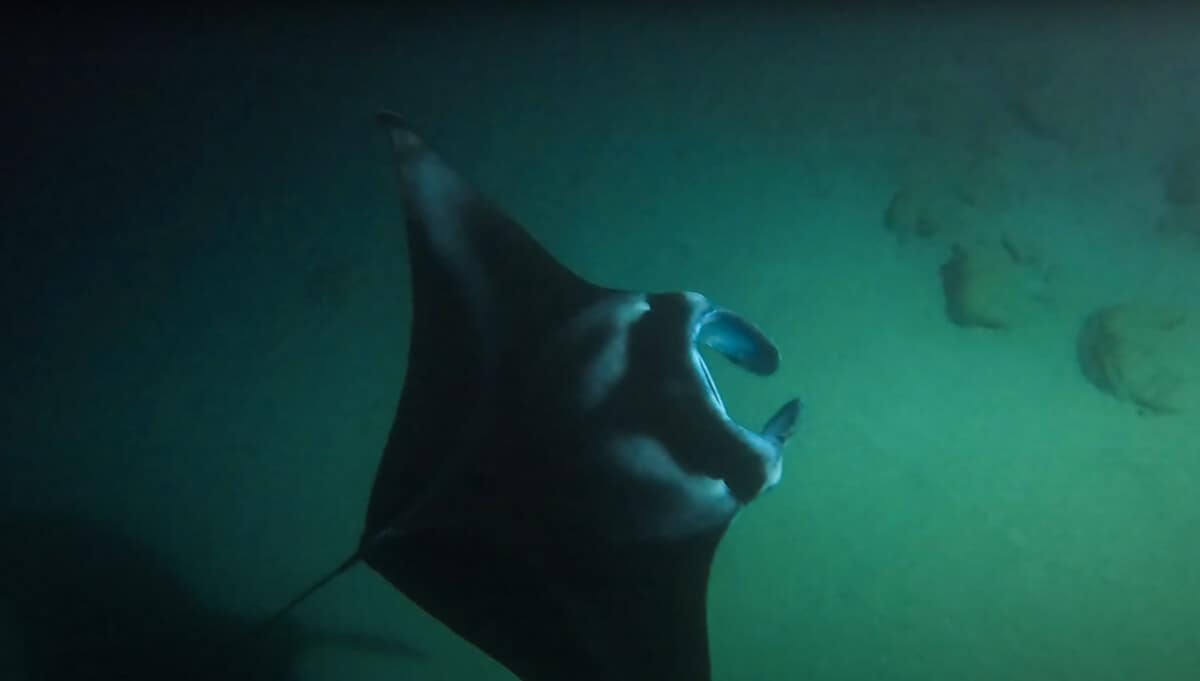
The first time a manta ray barrel-rolled less than a foot beneath me was when I went out with Hawaii Oceanic in 2020. All 12 feet of her, mouth wide open, close enough to count the gill slits on her belly, I forgot every instruction our guide had given us. Don’t reach out. Keep your legs still. Hang onto the board. I started screaming into my mouthpiece.
That was our first manta ray night snorkel in Kona. We’ve been back in the water with the mantas six times since, as snorkelers and with divers below us at the dive sites. It’s still the experience we tell every single person to build their Big Island trip around.
But here’s the question we get constantly: “We’re staying on Maui (or Oahu, or Kauai) — can we swim with manta rays there?” The short answer: not reliably, and we’ll explain why. The Kona coast of the Big Island is one of the only places on Earth where you can float on the surface at night while wild manta rays feed on plankton just below your mask. It happens year-round.
This guide covers everything we’ve learned about manta ray snorkeling and diving in Hawaii: where the mantas actually are (island by island), when to go, what the night swim really feels like, how to do it safely without harming these gentle giants, and what it costs. And if you’re already sold and just want to know which boat to get on, jump straight to our ranked list of the best manta ray night snorkel tours in Kona.
Where can you see manta rays in Hawaii?
The best place to see manta rays in Hawaii is on the Big Island, specifically on the Kona Coast.
While there are manta rays on the other islands, sightings aren’t as good or reliable, so if you’re hoping to see manta rays while in Hawaii, head to the Big Island.
Many Big Island tour operators offer a manta guarantee, something you won’t find on the other islands.
Best places to snorkel and dive with manta rays in Hawaii
Technically, you can see manta rays on any Hawaiian island, but seeing one on Oahu, Kauai, or Maui comes down to luck.
If you’re looking to dive or snorkel with manta rays, the best place to do so is on the Big Island. There are numerous tour operators that will take you into the water at night and spend some time with these gentle giants.
The Big Island tour operators publish a success rate for sightings of over 80%, so if you want the best odds of finding a manta ray, head to the Big Island.
Can you snorkel with manta rays on Maui?
Not reliably, so head to the Big Island.
On Maui, you might have the chance to see a manta ray while snorkeling Molokini or Olowalu, though this is very rare.
Can you snorkel with manta rays on Oahu?
On Oahu, you’ll find even fewer chance encounters than Maui. Manta rays are rarely spotted on Oahu.
Can you snorkel with manta rays on Kauai?
You can’t snorkel with manta rays on Kauai. There are no manta ray tours, and sightings are extremely rare.
Unlike the Big Island, there are no specified feeding areas where you can reliably find manta rays night after night (more on the Big Island feeding areas below). So if you try manta ray snorkeling on Oahu, Kauai, or Maui, prepare to be disappointed.
The best spots to snorkel or dive with manta rays on the Big Island
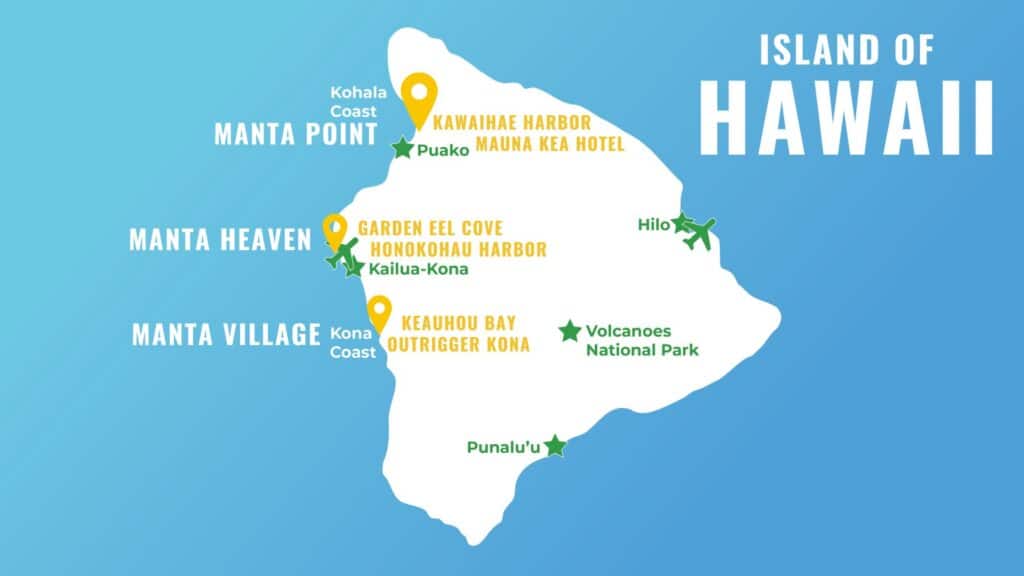
There are three spots where you’ll be able to snorkel or dive with manta rays on the Big Island: Manta Point, Manta Heaven, and Manta Village (Keauhou).
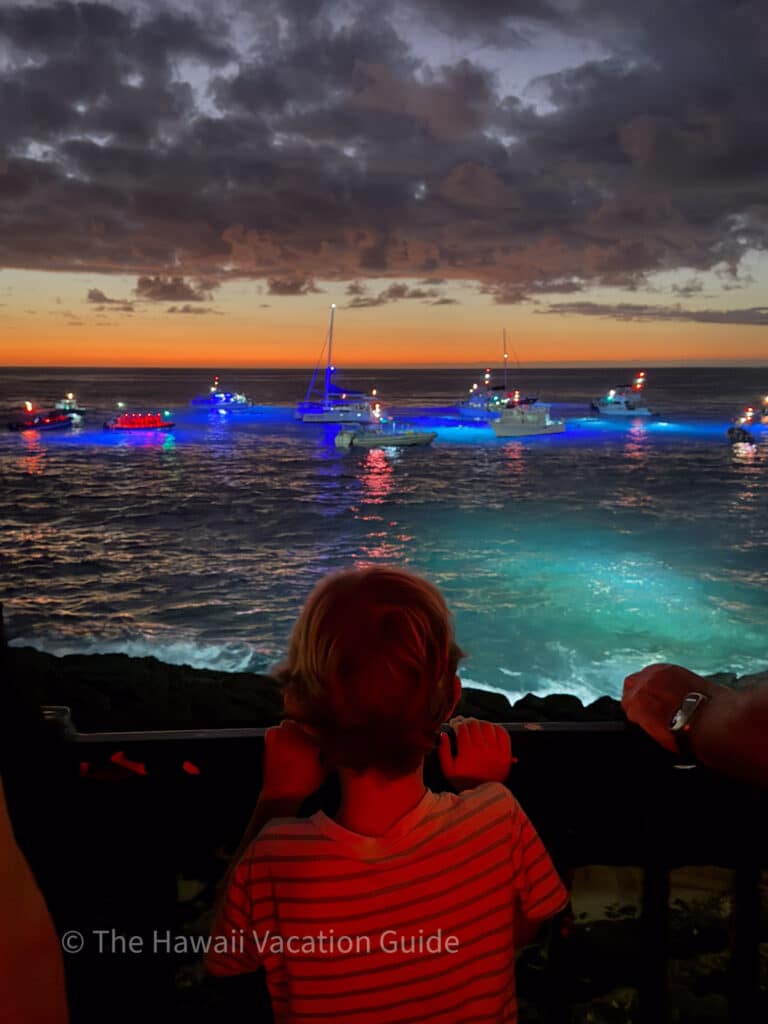
These spots have such a high chance of seeing manta rays because they consistently show up to feed here night after night. Hotels have had spotlights on the ocean for years. These lights attracted photoplankton, the main food source of manta rays. The manta rays came to feed.
After years of conditioning, mantas know that these viewing areas are great places to be fed. Most tour operators will take you to dive or snorkel with manta rays at one of these three locations.
From north to south, the three manta viewing areas for swimming with manta rays in Hawaii are the following?
Manta Point (Kohala)
Located on the Kohala Coast near the Mauna Kea Beach Hotel, Manta Point offers both a viewing area from land as well as an option for swimming with manta rays at night.
Manta Point is located at the end of Kauna’oa Bay (or Mauna Kea Beach), and there is a large light shining into the water attracting the plankton. Plenty of tour operators also offer night snorkeling in this area.
Manta Heaven (North Kona)
Offshore from the Kona International Airport, you’ll find Makako Bay and Manta Heaven. Also known as a popular daytime dive stop, Garden Eel Cove has had reliable manta sightings for the last 20 years.
Manta Village (South Kona)
The first manta ray viewing spot on the Big Island is here in Manta Village. This location was first identified when the Kona Surf Hotel shone a spotlight onto the water to showcase the night waves. While the Kona Surf Hotel no longer exists and has been replaced by the Sheraton Kona, this popular manta ray viewing spot has endured.
Manta Village is often cited as the best spot to snorkel with manta rays, as tour operators boast a 96% successful sighting rate.
When you can snorkel with manta rays in Hawaii
Manta rays in Hawaii have no seasonality. The Big Island’s manta ray population does not migrate.
Unlike humpback whales on the Big Island, which are only in Hawaii from December through April, there is no manta ray season. You can see manta rays year-round.
However, winter swells and rough currents can make your trip more likely to be canceled during that season.
The best time of day to see manta rays is at night. At night, manta rays feed on plankton, which makes up a majority of their diet.
There is no best time to do a tour. You have equal odds of seeing manta rays on the sunset tour as you do on the last tour of the night. That is why they can offer the Manta Guarantee on Hawaii.
What’s it like to go on a manta ray night snorkel tour?
It’s been said that swimming with manta rays is an experience not to be missed and possibly one of the top bucket list items to experience in your life. Jordan and I have done multiple manta ray snorkeling trips, and we agree: it is a heart-pounding and memorable experience.
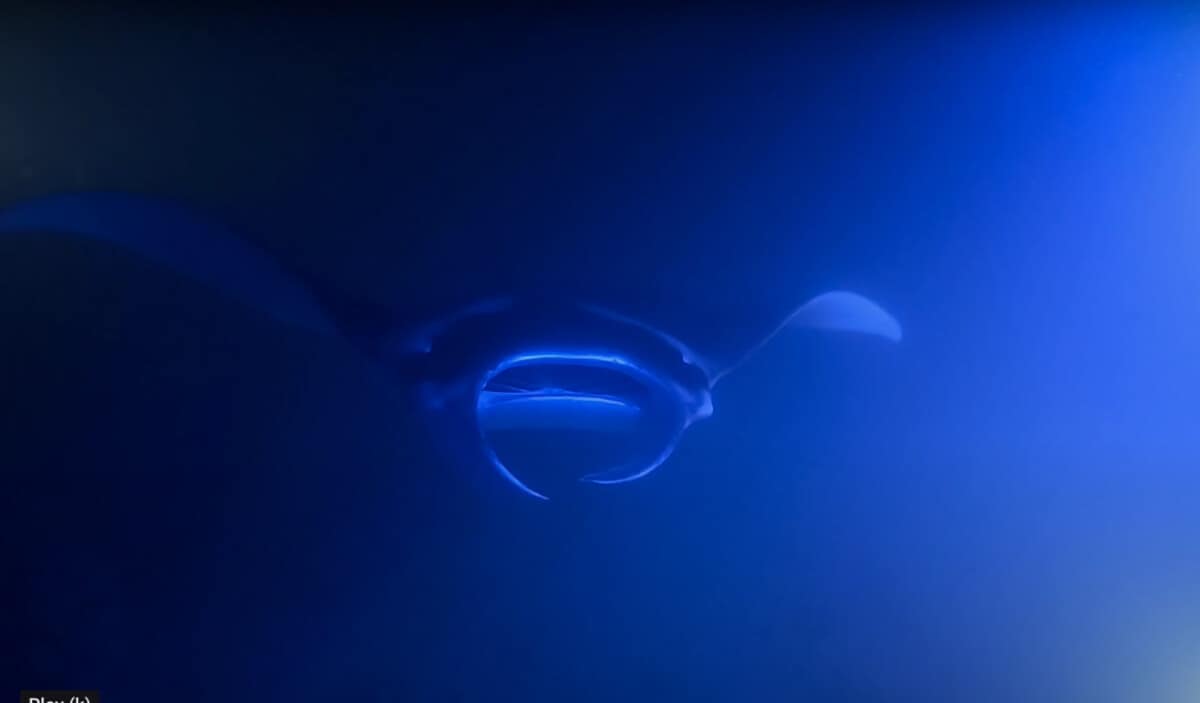
You’re in the ocean at night when it is pitch black. If you’re lucky, you have multiple giant manta rays doing barrel rolls and coming within inches of your face.
The experience is thrilling. Here is a video that captures some of our footage so you can see just how close these mantas come to you.
9 Tips for Manta Ray Night Snorkeling
My manta ray experience left me with these 9 takeaways.
- Book your night snorkeling trip before you arrive on the Big Island
- Book early in your trip so you can take advantage of the sighting guarantee
- Go on a smaller boat for a more intimate experience
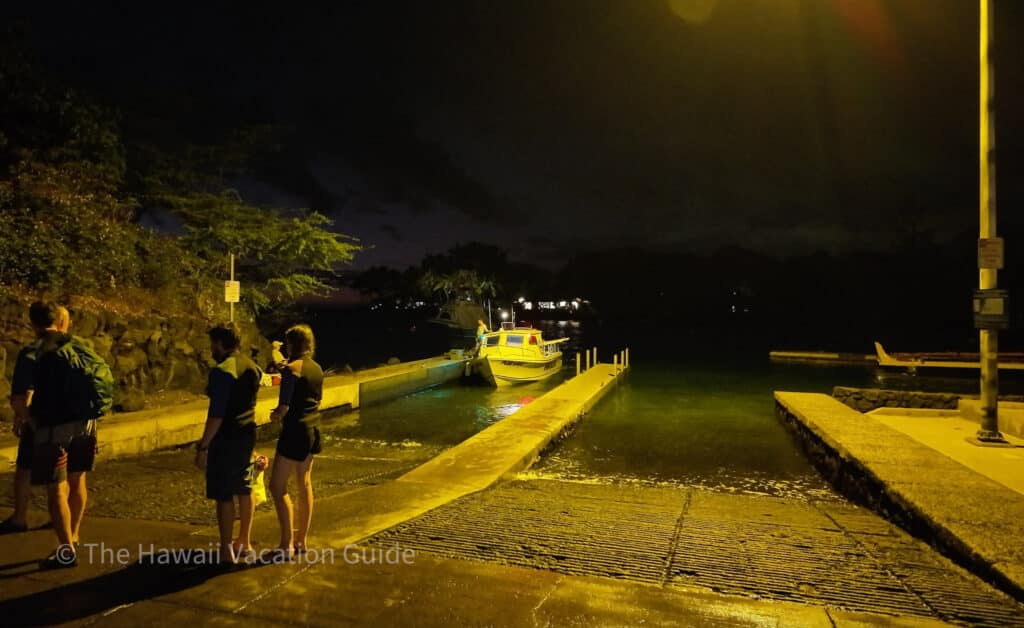
- Arrive 30-minutes early, as the boat can be hard to find in the large harbor, and also to sign the waiver
- Bring a sweatshirt and large beach towel to stay warm on the ride back
- Request a noodle or another flotation device to keep your feet up
- Bring a GoPro or underwater camera
- Take seasickness medicine 2-hours before departure if you suffer from motion sickness
- Ask your onboard Marine Naturalist a million questions; manta rays are fascinating fish
Big Island manta ray snorkeling tours
We share all of our favorite manta ray tours on the Big Island in the article below. We provide prices, minimum ages, and unique experiences. You will love this list of high-quality, local tour operators.
6 Best Big Island Manta Ray Snorkel Tours
And you can find all of our recommended tours and tour operators on this list of the Best Big Island Tours and Activities.
Cost of a manta ray snorkel tour in Hawaii
Manta ray night snorkeling in Hawaii prices range from $130 to $265 per adult. Discounts for youths and kama’aina are available.
The most expensive snorkeling tours are usually on scuba diving tours. The dive operator charges the same amount per seat, whether it is for diving or snorkeling.
You can also do a ride-along if you don’t swim or if you’re a child ages 2 to 12. A ride-along can cost the same as a regular snorkeling ticket or be discounted to $65.
Fees and taxes typically add another $15 to $20 dollars to your ticket.
For a higher-cost manta ray snorkeling tour, expect more perks like the following:
- Small group tour
- Sailboat or luxury catamaran
- Hot drinks for the ride back to the harbor
- Photos from your trip
- Warm shower
Cancellation policies vary from 24 hours to 72 hours of advanced notice. Check their policy during checkout.
Manta ray night snorkel vs dive
Manta ray night scuba dives are also a popular way to have a manta ray encounter in Hawaii.
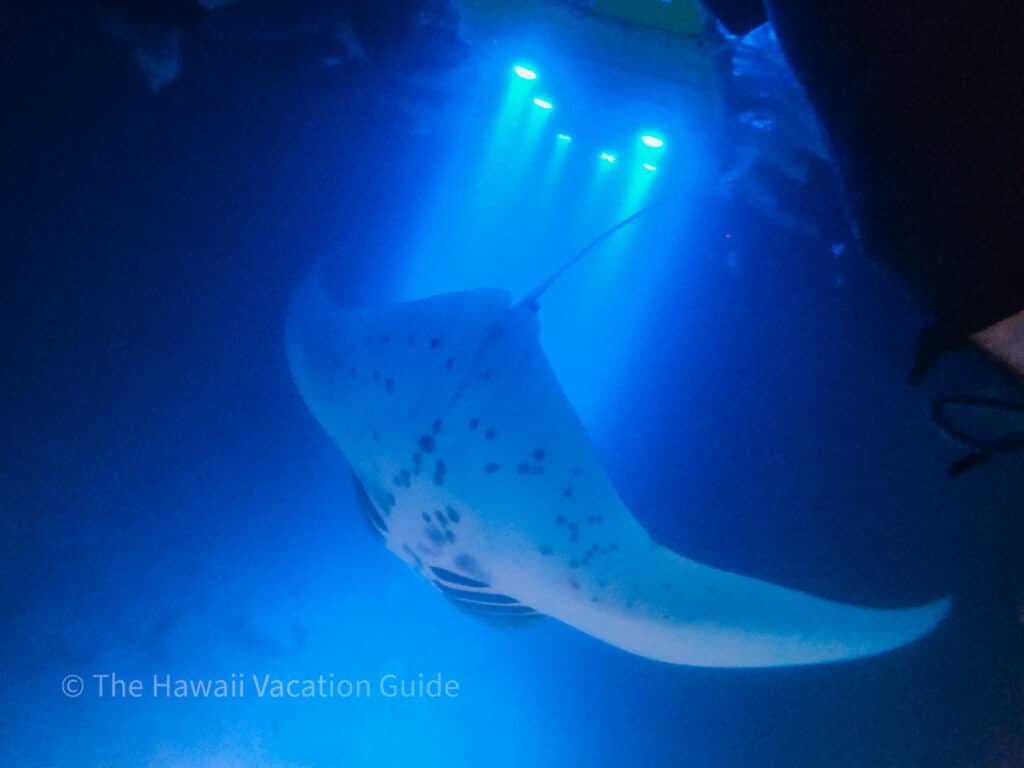
Your vertical location in the water is the biggest difference between a night snorkeling and a night dive manta ray encounter. On a diving tour, you are on the ocean floor looking up at the manta rays feeding above you. On a snorkel tour, you are on the water’s surface looking down on the manta rays.
The manta rays are above the divers because the divers put their flashlights in a ring on the ocean floor. The photoplankton form over the lights, then the manta rays swoop in to feed just above the divers. They call the circle of lights a campfire.
If you are scuba certified, a night dive may be more to your liking.
FAQs about manta ray snorkeling in Hawaii
Still have questions about snorkeling or diving with manta rays? We have you covered.
What happens if you don’t see a manta ray on your snorkel tour?
While tour operators have very high success rates for seeing manta rays, these are still wild animals who don’t always appear when you’re looking. To help make you feel comfortable that your money won’t be wasted, many tour operators offer a manta guarantee.
For example, Sea Paradise has a manta guarantee that if you don’t see a manta ray on the night of your snorkel, you can return for free anytime in the next 7 days for another trip. Tour availability is required.
Is it safe to snorkel with manta rays?
Manta rays are not dangerous. Even though they are large and intimidating, they won’t hurt people. People often confuse manta rays with stingrays, but manta rays do not have a stinger or barb.
Manta Ray Advocates has a great video describing the differences between stingrays and manta rays. And they refer to Manta Rays as “gentle giants.”
That said, the danger with snorkeling with manta rays comes from general dangers related to snorkeling. Strong ocean currents, waves, and weather are also factors to consider. Plus, snorkeling happens at night when it is easy to become disoriented in the water. That’s why it’s important not to try to snorkel by yourself and instead join a tour offered by a trusted activity provider.
How big are manta rays in Hawaii?
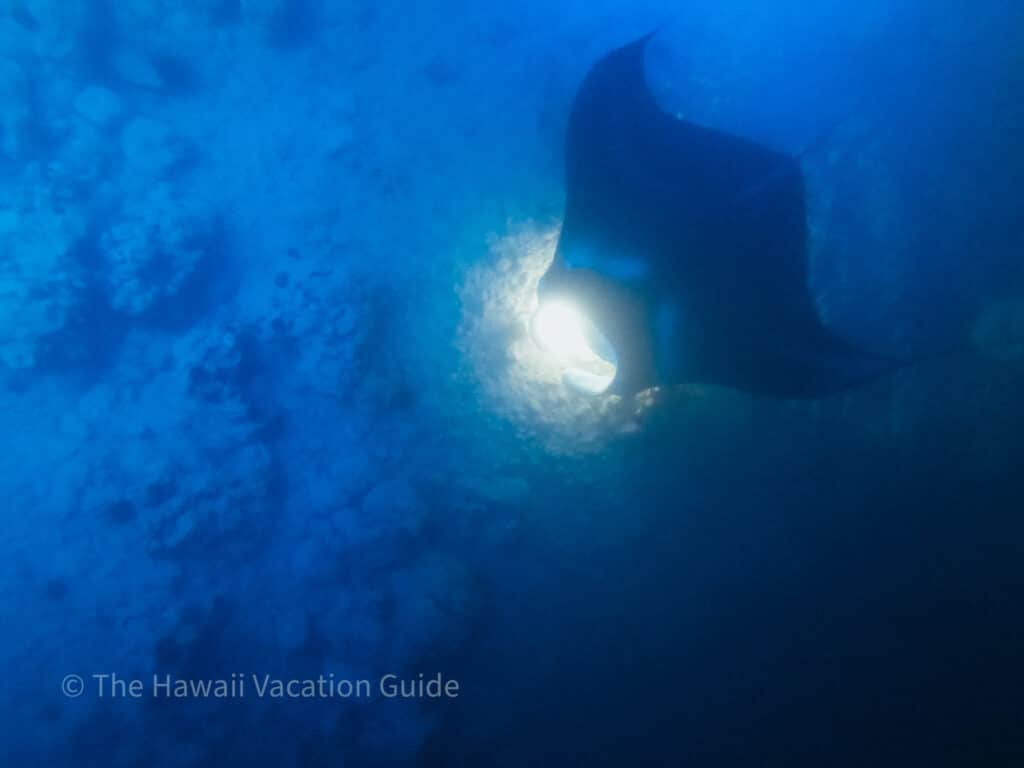
On your night snorkeling trip, you’ll be able to see reef manta rays. Reef manta rays grow to have a wingspan of up to 16 feet, though you’ll likely see a manta that is smaller than that.
Can you touch manta rays?
No, you may not touch manta rays. One of the criteria to be on the Manta Green list is promising never to touch manta rays. That’s because you can damage their protective coating, opening them up to the risk of infection. You can also disorient them. Plus, it’s just not OK to ever touch sea life that you’re observing. Observe without being intrusive.
What is the best time of year to see manta rays in Hawaii?
While whale watching in Hawaii has a specific season (mid-December through mid-April), you can see manta rays at any time of the year in Hawaii. They don’t migrate like whales, so they stay put at their home in Hawaii year-round.
That said, going manta ray snorkeling can be more challenging January – March, when the ocean conditions are less favorable due to winter weather and swells. You might find your tour is canceled more often during the winter months because of rough ocean conditions.
Planning a trip to the Big Island?
Let us take the guesswork out of it for you. Our done for you itineraries help you see the best sights of the island, without extensive online research or spending your time on the island googling and backtracking. Our routes have been planned out to maximize your time, taking you to the best spots and helping you find the best restaurants.
“I want to thank you for putting together your videos and the Big Island Vacation guide…I had started watching your videos earlier in the year and was hoping you’d created one for the Big Island and it came out just in time. We just came back and your guide was the backbone to our trip. I loved having it on my phone to tap and guide our travel.” – Philip Z.
Get The Big Island Itinerary
The step-by-step itinerary takes you to all the best beaches, snorkeling spots, restaurants, and sights. You’ll get six carefully planned excursion days to help you see the can’t miss stops no matter how limited your time is.
Get all the details on our itinerary and download it for a memorable and easily planned trip to Hawai’i (Big Island).